New Income Tax Rules Explained for Beginners (2025–26)

New Income Tax Rules Explained for Beginners (2025–26)
Understanding income tax in India has always felt complicated for beginners. With the new tax updates introduced for the financial year 2025–26, many salaried employees, freelancers, and small business owners are confused about what actually changed and how it affects them.
This guide explains the new income tax rules in simple language so you can file your return correctly and avoid penalties.
1. The New Tax Regime Is Now the Default Option
The government has made the new tax regime the default tax system. This means when you file your Income Tax Return (ITR), the system will automatically calculate tax according to the new slab rates unless you manually choose the old regime.
The new regime offers lower tax rates but fewer deductions, while the old regime allows deductions but has higher tax rates.
New Tax Slabs (FY 2025–26)
-
Up to ₹300,000 – No tax
-
₹300,001 to ₹600,000 – 5%
-
₹6,00,001 to ₹9
-
₹9,00,001 to ₹12,00,
-
₹12,00,001 to ₹15,00,000—20
-
Above ₹15,00,000 – 30%
Beginners who don’t invest in LIC, PPF, ELSS, or deductions usually benefit more from the new regime.
2. Standard Deduction Available in New Regime
Earlier, salaried taxpayers could only claim the ₹50,000 standard deduction in the old regime.
Now, the standard deduction is also allowed in the new regime, making it more beneficial for employees.
This means if your salary is ₹6,50,000, your taxable income becomes ₹6,00,000—and due to the rebate, tax becomes zero.
3. Rebate Under Section 87A—Tax-Free Income Limit
Under the new rules, individuals earning up to ₹7,00,000 in taxable income pay zero tax due to a rebate under Section 87A.
This is one of the biggest reasons why many taxpayers are shifting to the new regime.
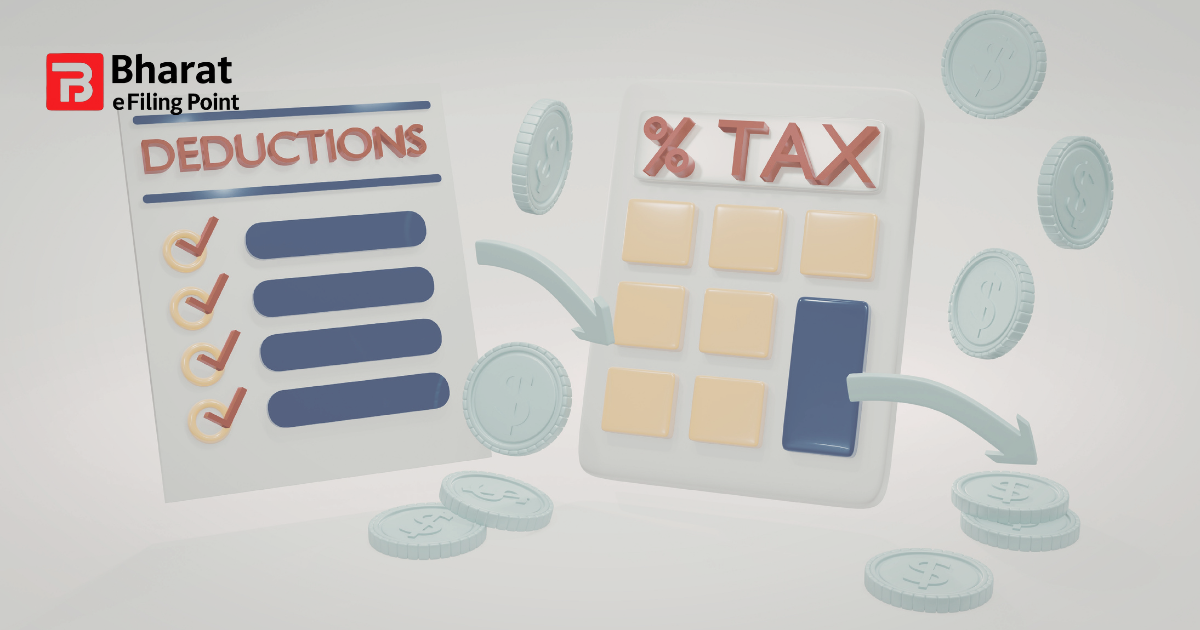
4. Fewer Deductions Allowed
The new regime removes most deductions, such as:
-
Section 80C (LIC, PPF, ELSS)
-
HRA exemption
-
Home loan interest (self-occupied)
-
Medical insurance deduction (80D)
Because of this, taxpayers who invest heavily may still prefer the old regime.
5. Updated Return Facility (ITR-U)
If you forget to declare income or make a mistake, you can now file an updated return within 2 years from the end of the assessment year.
However, you must pay additional tax and a penalty.
This rule helps taxpayers avoid notices, but should not be misused.
6. AIS & Form 26AS Monitoring
The Income Tax Department now tracks transactions more strictly through AIS (Annual Information Statement).
Your bank interest, trading income, online earnings, and large transactions are automatically recorded.
If your ITR does not match AIS data, you may receive a tax notice.
7. Online Earners & Freelancers Under Radar
Freelancers, influencers, traders, and digital earners must now report income carefully.
Platforms like YouTube, freelancing websites, and trading apps share data with the tax department.
Non-reporting can lead to penalties and scrutiny.
Conclusion
The new income tax rules aim to simplify taxation and encourage voluntary compliance. For beginners, the new tax regime is usually simpler and beneficial, especially if you do not claim many deductions.
However, choosing the correct regime and filing accurately is very important to avoid notices, penalties, or refund delays.
If you are unsure which tax regime is best for you or want error-free filing, Bharat eFiling Point can professionally manage your income tax return and compliance work.


